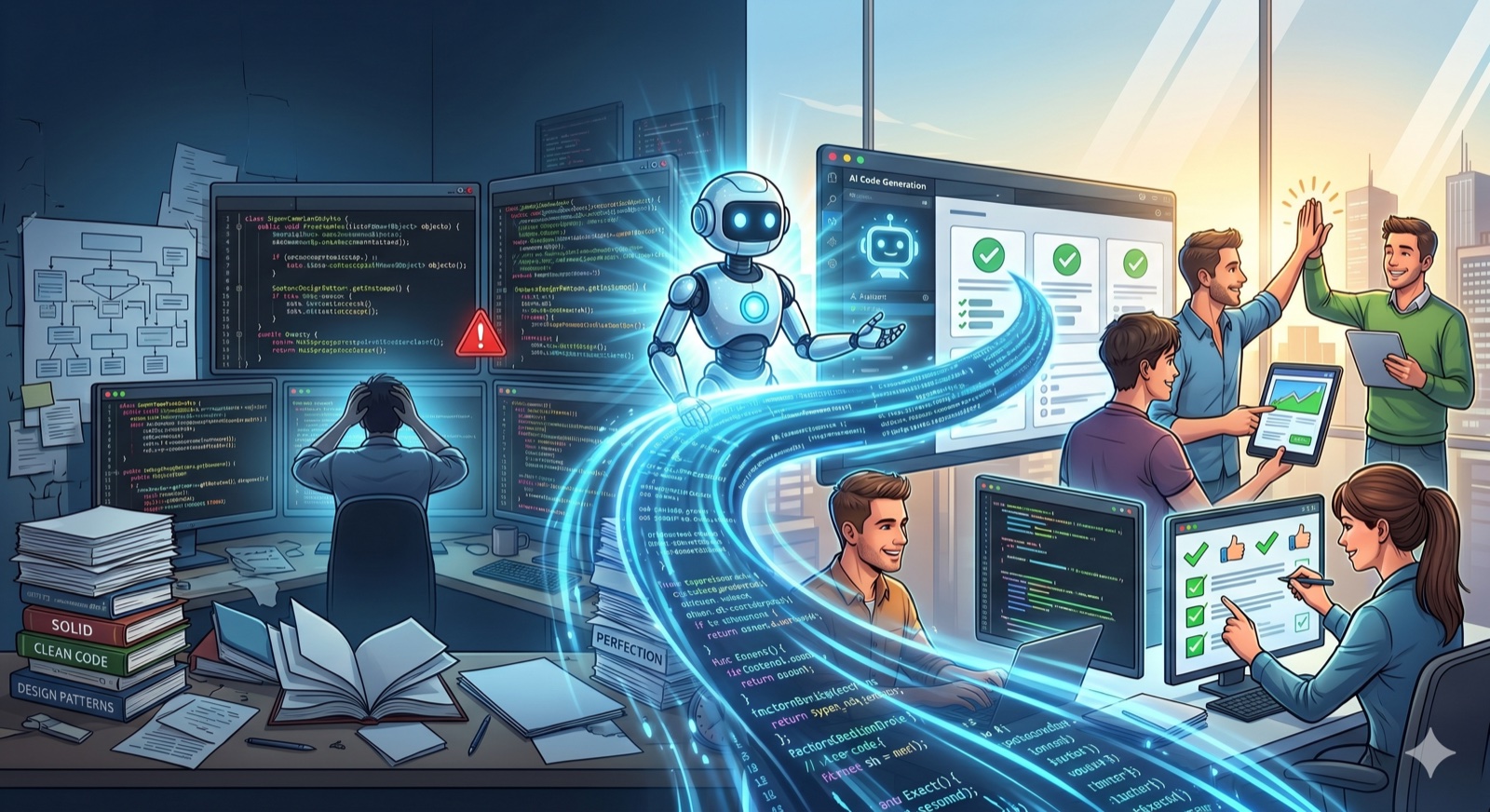
Today, anyone with access to an AI can generate working code in minutes. What used to take a whole sprint now ships in an afternoon. And here’s the uncomfortable truth few people want to admit:
Code itself has never been worth so little.
Before you cancel me in the comments, let me explain.
History repeats itself (and we always climb one more step)
In the early days of computing (after Alan Turing, obviously), programming literally meant punching cards. Whoever mastered machine language was a demigod: very few knew how, and the work was artisanal, slow, hugely expensive.
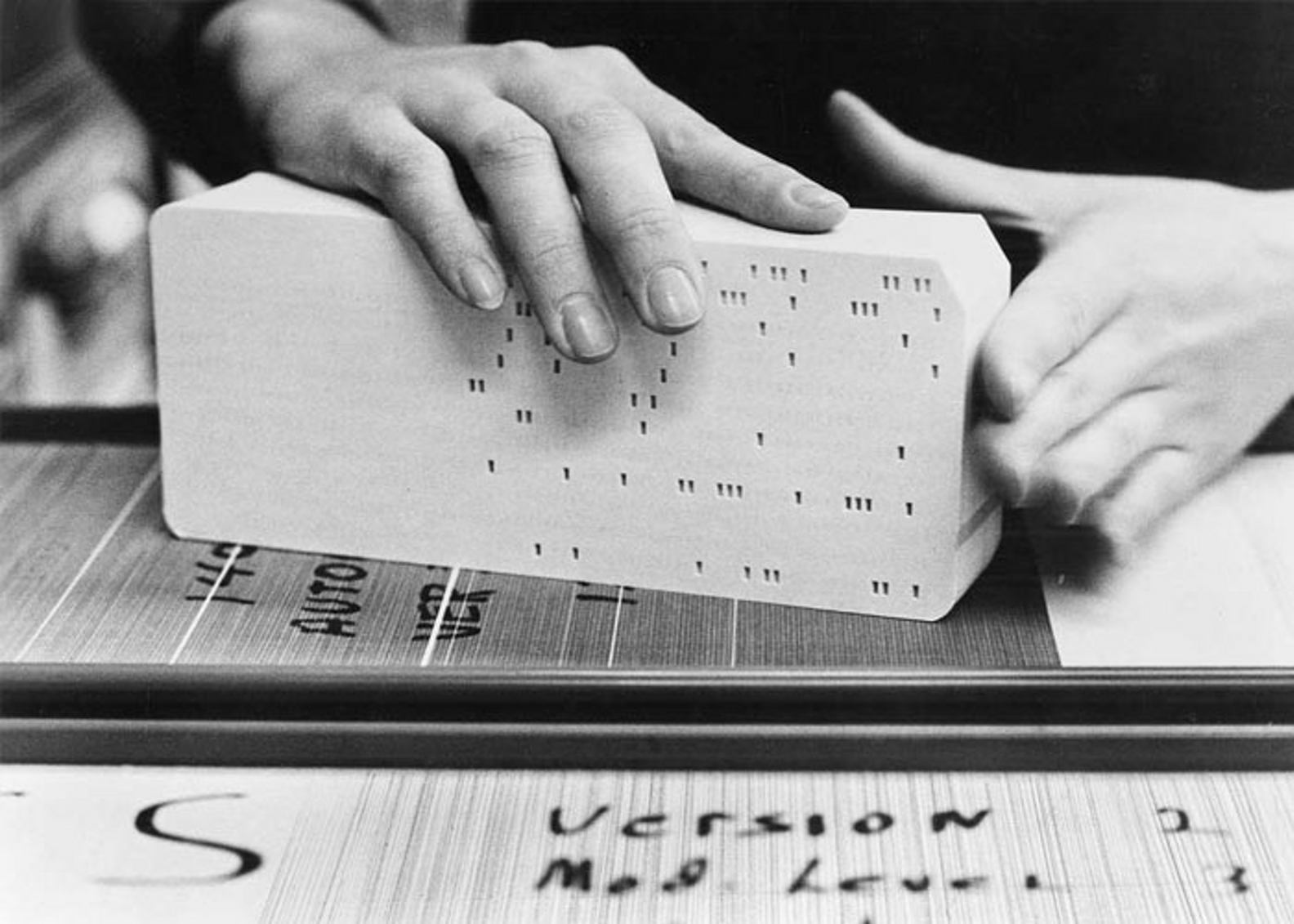
Eventually compilers showed up. And you know what happened? Mastering machine language became unnecessary for most people. Then came high-level languages. Then frameworks, libraries, the cloud. With every leap, a skill that was a differentiator became a commodity — and the value moved up one step.
AI is just the next step on that staircase. The steepest one so far, but the same old movement:
The hard work of writing is done by the machine. We humans set the parameters, define the acceptance criteria and review.
This isn’t the end of engineering. It’s engineering leveling up — from syntax typist to the person who sets standards, manages capabilities and judges whether what came out actually solves the problem.
If code became a commodity, where did the value go?
It’s basic economics: when something becomes abundant, its price falls. It happened with hosting, with infrastructure, and now it’s happening with code. Anyone can generate code. Few can generate something cohesive — something that holds up, scales and, above all, solves a real problem in someone’s life.
The value isn’t in the code. It’s in the experience delivered. In what the product solves. Bricks are cheap. Architecture is expensive. AI manufactures bricks at industrial scale — but it doesn’t decide what to build, for whom, or why.
A product isn’t code in production
There’s a dangerous myth that building a business means “building the product and launching it.” As if code in production were the finish line. Code in production is, at most, the starting line. The real work is in everything around it:
→ Validation: finding out whether the problem exists and whether anyone would pay for the solution.
→ Course correction: pivoting when the data shows the hypothesis was wrong.
→ Continuous discovery: talking to users, understanding their pain, iterating.
Getting that process right is what brings the experience to the user. That’s what delivers value. That’s what solves problems. AI accelerates the building absurdly — but it doesn’t replace the judgment about what’s worth building.
In practice: how I lived this firsthand
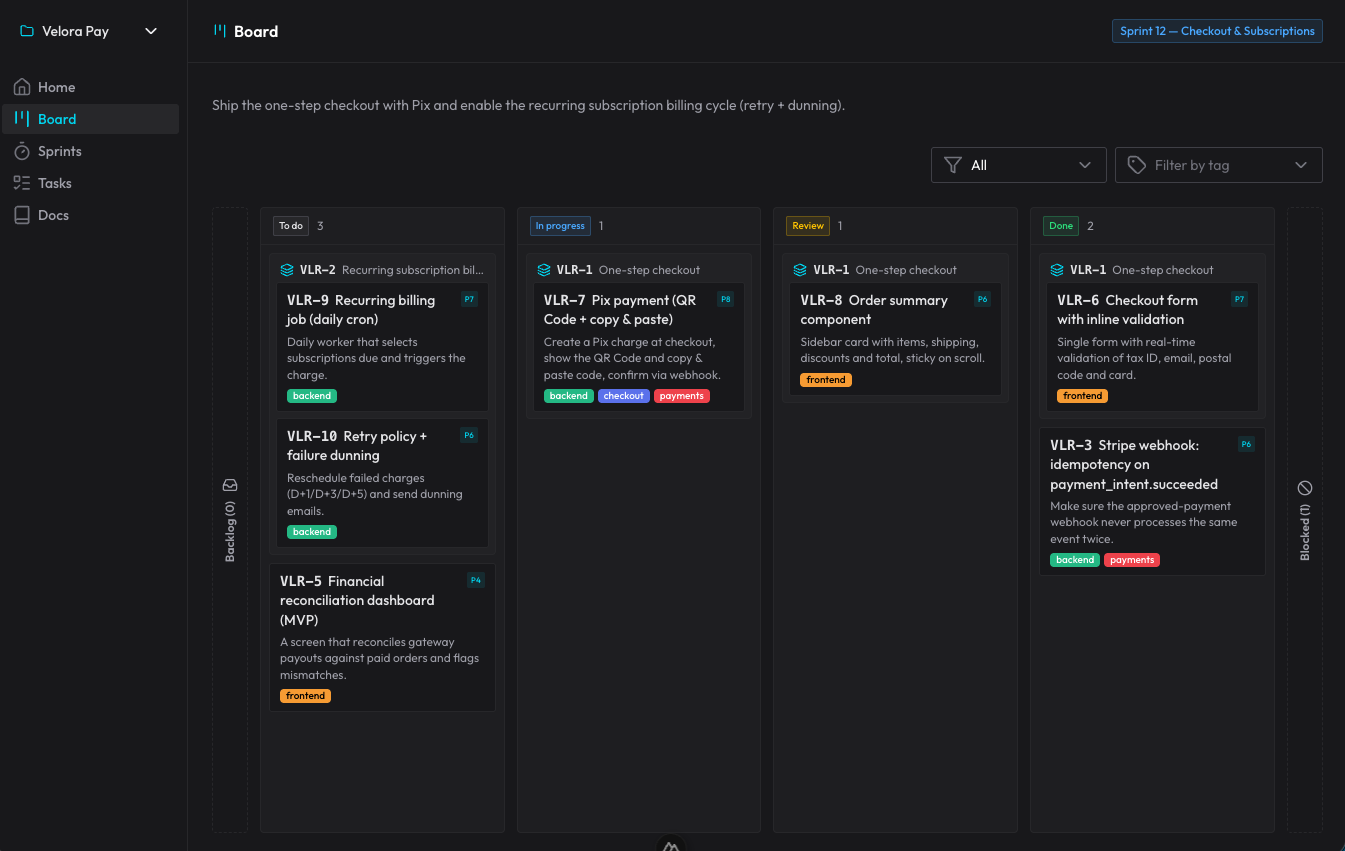
In my previous post I talk about how I optimized my workflow with claude-organizer, a tool that I (and Claude Code) built in a matter of days and that the AI itself uses. It reads the board, grabs the next card, records decisions, attaches the commit and closes the task. I step in to plan, define acceptance criteria and review. And that’s exactly where I discovered where the value lives now.
When the speed of generating code exploded, my bottleneck stopped being typing — and became organizing and directing what the machine does. Remembering the state of things, what was decided, what depends on what. Without that, the AI hallucinates: it rewrites what already existed, ignores decisions, executes in the wrong order.
The result? My delivery capacity grew more than 500% — on things that are also built by AI.
And notice the detail: the gain didn’t come from generating more code. It came from process, organization and judgment. It came from fully taking on the human role in this new arrangement: setting parameters, defining what “done” means and judging the quality of what comes out.
Exactly like the programmer who dropped the punched card and embraced the compiler.
What this changes for you
If you’re a dev: whoever just types code competes with the machine. Whoever understands product, business and users uses the machine as leverage. The differentiator moved — from knowing how to write to knowing how to direct, review and set standards.
If you’re a founder: the competitive advantage is no longer in the ability to build. It’s in the ability to discover what’s worth building — and to turn that into an experience that solves something.
If you hire: people who generate code exist by the truckload (and AI generates it for free). People who generate cohesion, product vision and value for the user — that’s the real game.
Code keeps getting cheaper. A well-solved problem keeps getting more valuable.
AI writes code. The one who writes value is still a human.
And you — do you agree that code became a commodity? Where do you think the value is today? Tell me in the comments.
About claude-organizer: it’s open source (MIT), runs locally with Docker and works as a Claude Code plugin. If you want the full story of how and why it came to be, just click this post.